


Description
Georgia Collards (A.K.A .Georgia Southern, Creole, and Southern)
250 Seeds per pack
Days to Maturity: 60–85 days (baby leaves in about 30–50 days)
Sun Requirements: Full sun; tolerates partial shade. Provide afternoon shade in hot climates to prevent stress and bitterness.
Botanical Name: Brassica oleracea L. Acephala
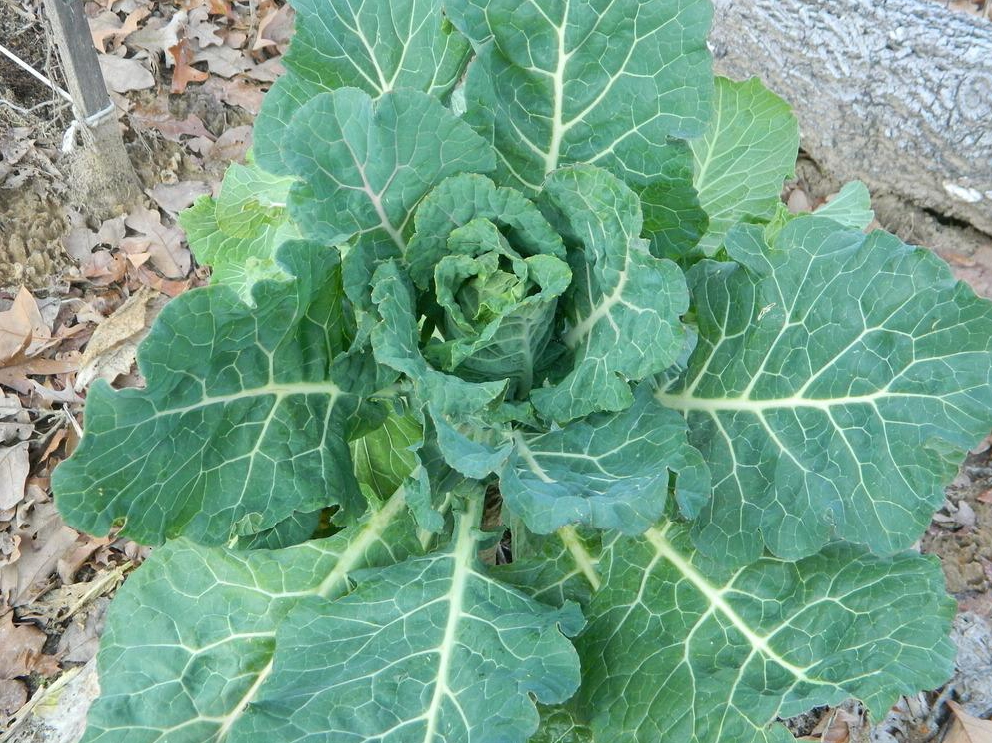
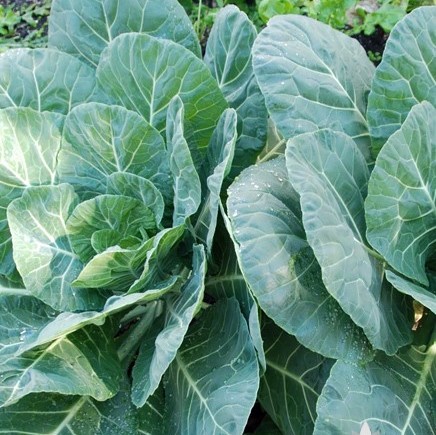
Georgia Collard Greens are a true old Southern heirloom, first released around 1880 and still prized for their reliability, flavor, and toughness. This open-pollinated variety forms large, non-heading plants that grow two to three feet tall, producing broad, crumpled, blue-green leaves with a tender texture and mild, cabbage-like flavor. The plants are vigorous, upright, and slow to bolt, making them dependable in both spring and fall plantings across a wide range of climates. Young leaves may also be harvested early as tender baby greens for salads, sautés, or fresh eating.
Georgia collards are especially valued in the South for winter harvests. They tolerate heat, light freezing, cold weather, and even poor soil, while their flavor actually improves after a light frost, becoming sweeter and less bitter. The leaves remain juicy and tender at full size, making them excellent for fresh use, cooking, or freezing. This variety is rich in vitamins A, B1, B2, and C, offering both nutrition and hearty substance.
A staple of traditional Southern cooking, these collards add rich flavor and texture to stews, soups, and slow-simmered dishes, and are famously paired with ham hocks or other pork. The large open heads are well suited for home gardens, fresh markets, and processing. Heavy yielding, dependable, and full of old-fashioned flavor, Georgia Collards remain one of the finest collard varieties for gardeners who want hardy plants and generous harvests.
Planting Instructions for Georgia Collards Seeds
When to Plant
Georgia Collards are a cool-season crop. In southern regions, plant in late summer or early fall for winter harvest. In northern regions, plant in mid to late summer for fall harvest. For spring crops, sow seeds when soil temperatures reach 55–75°F, about 6–8 weeks before the last frost. Seeds may be started indoors to improve germination when outdoor soil temperatures are still cool and unpredictable, giving young plants a stronger start, then transplanted outdoors about 2–3 weeks before the last frost once seedlings are well rooted and growing steadily.
How to Start Indoors
Sow seeds ¼–½ inch deep in clean seed trays using a sterile seed-starting mix. Plant 2–3 seeds per cell and keep soil evenly moist. Germination occurs in 7–14 days. Thin to one strong seedling per cell. Provide bright light and moderate moisture. Harden off seedlings for 7–10 days before transplanting by gradually exposing them to outdoor conditions, starting with a few hours of sheltered sunlight and increasing exposure each day while protecting them from strong wind, heavy rain, and frost.
Transplanting to the Garden
Transplant when seedlings are 4–6 weeks old and well rooted. Space plants 12–24 inches apart in rows 18–36 inches apart. Choose fertile, well-drained soil rich in organic matter with a pH between 6.0 and 7.5. Raised beds are helpful for spring crops to avoid excess moisture.
Direct Sowing Outdoors
Direct sow seeds ¼–½ inch deep in full sun. Plant 3–4 seeds every 12–18 inches and thin to one strong plant per spacing when seedlings reach about 3 inches tall. Keep soil evenly moist until germination, which typically occurs in 5–10 days when soil temperatures are between 55–70°F. Lightly firm the soil after planting, and use row cover if needed to protect young seedlings from insects and drying winds.
Growing Tips
Keep soil consistently moist, providing about 1–1.5 inches of water per week. Mulch to conserve moisture and suppress weeds. Feed every 3–4 weeks with compost, compost tea, or a nitrogen-rich fertilizer. Georgia Collards grow best in cool weather and become sweeter after light frost.
Pests and Protection
Common pests include aphids, cabbage worms, cabbage loopers, flea beetles, and slugs. Use floating row covers to prevent egg laying. Handpick caterpillars and wash aphids off with water or insecticidal soap. Rotate crops and avoid planting brassicas in the same area for at least 2–3 years to reduce disease.
Harvesting
Begin harvesting baby greens in about 30–50 days when leaves are young and tender, then move to harvesting outer leaves when they reach 6–10 inches long, usually about 60–85 days after planting. Cut leaves at the base with scissors or a knife, leaving the center growth intact so plants continue producing. Harvest as needed for a steady supply, or cut the entire plant just below the crown for a single large harvest. Flavor improves after light frost, and fall plantings may be harvested well into winter with protection.
Storage
Store unwashed leaves wrapped in a damp towel inside a perforated bag in the refrigerator, where they will keep for about 5–7 days. For long-term storage, blanch and freeze, which preserves quality for up to 10–12 months.
Container Growing
Use containers at least 12–16 inches wide and deep (about 5 gallons per plant) with good drainage. Fill with quality potting mix enriched with compost. Plant one collard per container. Place in full sun for 6–8 hours daily, with afternoon shade in hot climates. Keep soil evenly moist and feed every 2–3 weeks with a nitrogen-rich fertilizer. Harvest outer leaves regularly to encourage continued growth.
Overwintering
In mild climates, Georgia Collards can overwinter and produce early spring greens. Place plants in a sheltered location protected from strong wind and heavy rain. Keep soil slightly moist but not wet, as soggy soil increases cold damage. During hard freezes, cover plants with breathable fabric, frost cloth, or row cover, removing it once temperatures rise. Container-grown plants should be protected more carefully, since pots freeze faster than garden soil. With proper protection, plants often resume growth as soon as temperatures warm in early spring.
Saving Seeds
Allow healthy plants to overwinter and flower in their second year. When seed pods turn dry and tan, harvest the stalks and allow them to finish drying in a well-ventilated, shaded area. Once fully dry, gently crush the pods by hand to release the seeds, then separate seeds from chaff by blowing lightly or using a fine screen. Only keep fully formed, dark seeds and discard damaged or pale ones. Store cleaned seeds in labeled seed-saving envelopes, then place the envelopes inside an airtight container in a cool, dry, dark location. Properly stored Georgia Collard seeds remain viable for about 4–5 years. Isolate plants from other Brassica crops to prevent cross-pollination.
FAQ:
Are Georgia Collards open-pollinated?
Yes. Georgia Collards are an open-pollinated heirloom variety, meaning you can save seed from healthy plants and expect true-to-type results the following season with proper isolation.
How long do Georgia Collards take to mature?
Georgia Collards reach full maturity in about 60–85 days. Baby leaves can be harvested much earlier, usually in 30–50 days.
Can Georgia Collards be harvested as baby greens?
Yes! Young leaves may be harvested as tender baby greens for salads, sautés, or fresh eating, while mature leaves are ideal for cooking and freezing.
What climate do Georgia Collards grow best in?
Georgia Collards grow best in cool weather but tolerate heat, light freezing, poor soil, and cold conditions. Their flavor improves after a light frost.
How tall do Georgia Collard plants grow?
Plants typically grow 2–3 feet tall and form large, open, non-heading plants with broad, crumpled blue-green leaves.
Do Georgia Collards bolt easily?
No. Georgia Collards are slow to bolt, making them reliable for extended harvest periods in both spring and fall plantings.
Can Georgia Collards be grown in containers?
Yes. Georgia Collards grow well in containers that are at least 12–16 inches wide and deep, with one plant per container and consistent feeding.
How should Georgia Collards be harvested?
Harvest outer leaves when they reach 6–10 inches long, leaving the center growth intact so the plant continues producing. Whole plants may also be cut for a single harvest.
How long can Georgia Collards be stored?
Fresh leaves keep about 5–7 days in the refrigerator. When blanched and frozen, they store well for 10–12 months.
Is Georgia Collards known by any other names?
Yes. Georgia Collards are also known as Georgia Southern, Creole, and Southern Collards, all referring to the same traditional heirloom variety.







Anonymous (verified owner) –
Thank you for quick service
Sarah C. (verified owner) –
I can’t wait to grow these! I bought the planner to help me with my first time gardening!
Valerie S. (verified owner) –
I have not planted yet but seeds arrived quickly and well packaged. Love St. Clare Seeds!