This guide is the definitive roadmap for gardening in the unique “slow-start” climate of the Pacific Northwest. By merging regional climate science, advanced soil-building practices, and strategic seasonal calendars, gardeners can transform this temperate, misty environment into one of the most productive growing zones in the country.
Purchase the Pacific Northwest Region Vegetable Garden Seed Collection
Table of Contents
Discover What Gardeners Are Saying About Our Seeds!
Region: Washington, Oregon, Northern California Coastal & Inland Valleys. Climate Blueprint: Cool, wet springs; mild, dry summers with crisp nights; and long, gentle autumns.
Gardening in the Pacific Northwest (PNW) offers rewards rarely found elsewhere—including the ability to grow world-class greens almost year-round. Success in this region begins with a shift in mindset: instead of fighting for extreme heat, successful gardeners embrace the moderate. By focusing on drainage, soil temperature, and strategic timing, a garden can become a natural, thriving extension of the lush local landscape. Furthermore, our mild summers and cool nights produce some of the world’s sweetest brassicas and most tender greens, as the lack of intense heat prevents the bitterness found in other regions.
Pacific Northwest Vegetable Gardening Guide
1. Pacific Northwest Soil Architecture & Site Management
The Drainage Priority In the PNW, “wet feet” is a primary cause of garden failure. Frequent spring rains can leave soils saturated for long periods, which robs roots of oxygen and invites rot. Raised beds or mounded garden rows are highly recommended. Elevating the root zone even 6 to 12 inches allows the soil to drain effectively and allows the sun to warm the earth weeks earlier than flat ground.
The Squeeze Test Heavy clay soils, common in the region, are delicate. Before digging or tilling, perform a “Squeeze Test.” Take a handful of soil and squeeze it firmly. If it forms a slick, tight ball that stays together when poked, it is far too wet to work. If it crumbles apart like a muffin, it is ready. Tilling wet clay creates “clods” that dry into brick-like chunks, ruining soil structure for years.
Nutrient Foundation & The pH Factor High rainfall levels often leach nutrients out of the soil, leaving it slightly acidic. A soil pH between 6.0 and 6.8 is the “sweet spot” where plants can easily access the nutrients they need.
- Amendments: Every spring, a layer of 2–3 inches of high-quality compost should be spread across the beds.
- Liming: A light application of garden lime in the early spring helps neutralize acidity and provides much-needed calcium.
Sun Exposure and Garden Placement In northern latitudes, every minute of sunlight is a precious resource. Choose the sunniest location available. Fruiting crops require at least 8 hours of direct sun to reach full maturity. South-facing walls, fences, and slopes create warmer microclimates that act as “heat batteries,” absorbing warmth during the day and radiating it back to plants at night.
2. Selecting the Best Seeds for the Pacific Northwest
Whether a gardener is a beginner or a seasoned pro, the method of sourcing seeds defines the harvest window.
The Regional Collection Path For many, the most reliable starting point is a Pacific Northwest Vegetable Seed Collection. These collections are curated by regional experts who have already vetted the varieties. They group together plants specifically bred to germinate in cooler soil, resist local mildews, and mature quickly enough to beat the return of the fall rains.
The Custom Selection Path For those who prefer to hand-pick varieties, focus on these specific “PNW-friendly” traits:
- Days to Maturity: Faster is generally better. Look for tomatoes that mature in 65–75 days and squashes that mature in under 100 days.
- Parthenocarpic Varieties: Some cucumbers and squashes can set fruit without pollinators—a major advantage during a rainy June when bees are less active.
- Cold Tolerance: Prioritize varieties described as “cold-hardy” or “bolt-resistant.”
3. High-Yield Vegetables for Washington and Oregon Gardens
These categories are the “superstars” of the region and should be the backbone of any PNW garden:
- Tomatoes: Focus on early-maturing, cool-tolerant types that set fruit even when nighttime temperatures are lower.
- Peas: These thrive in cool soil and produce the highest yields when planted as early as the soil can be worked.
- Leafy Greens: Lettuce, spinach, kale, arugula, and Swiss chard often perform better in this region than in hotter parts of the country.
- Brassicas: Broccoli, cauliflower, cabbage, and kale grow exceptionally well with the steady moisture and fertile soil found in the PNW.
- Root Crops: Carrots, beets, radishes, turnips, and parsnips thrive in moderate temperatures and loose, stone-free soil.
- Melons: Short-season cantaloupes perform better than watermelons. Note: Select varieties with the shortest days to maturity possible (often 70–80 days) to ensure they ripen before the cool September nights arrive.
4. Indoor Seed Starting: The Head Start Strategy
Starting seeds indoors allows gardeners to bypass the intense slug pressure of early spring and ensures plants are robust enough for the garden.
- Late Winter (January–February): Leeks, Onions, and Celery.
- Early Spring (February–March): Broccoli, Cauliflower, Cabbage, and Brussels sprouts. Starting them inside ensures they reach a harvestable size before summer heat causes them to “bolt.”
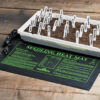
- Mid-Spring (March–April): Tomatoes, Peppers, and Eggplants. These require a constant 21°C (70°F) to germinate.
- Late Spring (April–May): Cucumbers, Summer Squash, and Melons. Use biodegradable pots to protect their sensitive roots.
5. Pacific Northwest Vegetable Garden Planting Calendar
Early Spring (As soon as soil is workable)
- Legumes: Shelling peas, snap peas, and snow peas.
- Hardy Greens: Spinach, kale, arugula, mustard greens, and corn salad.
- Roots: Radishes, turnips, and parsnips.
- Herbs: Cilantro and parsley.
Mid-Spring (As soil begins to warm)
- Roots: Carrots, beets, and rutabagas. These must be direct-sown.
- Greens: Lettuce (all types), Swiss chard, and bok choy.
- Staples: Potatoes (tubers) and Jerusalem artichokes.
- Herbs: Dill, chives, and chervil.
Late Spring (Nights consistently above 10°C / 50°F)
- Legumes: Bush beans, pole beans, and soybeans.
- Crops: Sweet corn and popcorn. (Note: Success depends entirely on selecting very short-season varieties. Traditional long-season corn often fails to ripen before the autumn cool-down).
- Vines: Cucumbers, summer squash, and Winter squash. (Note: Prioritize varieties like Delicata or Acorn which have shorter maturity windows. Larger, long-season squashes and pumpkins may struggle to fully cure if the summer is particularly cool).
- Flowers: Sunflowers and nasturtiums.
6. Strategic Gardening Practices
The Hardening Off Protocol Never move a plant directly from a warm house to a PNW garden. Spend 7–10 days moving them outside for increasing increments of time—starting with one hour in a sheltered spot and working up to a full day in the sun. Using cooler indoor temperatures during the final weeks of growth can help produce sturdier, less “leggy” plants.
Watering & Mulching While springs are wet, PNW summers are dry. Water deeply and at the soil level rather than with shallow daily sprinkles. Mulching with straw, leaves, or compost keeps the soil cool and moist while suppressing weeds.
Succession Planting The PNW climate allows for a “continuous harvest.” Plant small amounts every two weeks to ensure a steady supply of fresh produce from May through October.
Pollination Support Cool, rainy, or windy springs can limit bee activity. Gardeners should plant native flowers nearby to attract bumblebees, which are active in cooler, wetter weather than honeybees. For crops grown in greenhouses or high tunnels, you may need to assist with pollination by gently shaking the plants.
7. Regional Pest, Wildlife, & Disease Management
The Slug & Snail Defense Slugs are a primary challenge. Use organic iron-phosphate baits or copper tape barriers. Removing garden debris where they hide during the day is an effective long-term defense.
Wildlife Pressure In both rural and urban PNW settings, wildlife is a serious consideration. Fencing is often necessary to protect against deer. To deter burrowing animals like voles, consider lining the bottom of raised beds with hardware cloth.
Airflow & Fungal Prevention High humidity and cool nights invite Powdery Mildew and Late Blight. Give plants extra room for air circulation, prune lower tomato leaves to prevent soil splash, and use drip irrigation to keep foliage dry.
Purchase the Pacific Northwest Region Vegetable Garden Seed Collection
8. The Pacific Northwest Gardener’s Essential Tool Kit
- Floating Row Covers: Essential for light frost protection and blocking cabbage moths.
- Slug Barriers: Copper tape or organic baits.
- Soil Health Tools: Garden lime and high-quality compost.
- Irrigation: Soaker hoses or drip lines for the dry August window.
- Hardware Cloth: For the base of raised beds to stop burrowing pests.
9. Common Pacific Northwest Gardening Mistakes to Avoid
- The “May Mistake”: Planting tomatoes or peppers during a sunny week in early May. Often, a “June Gloom” follows that stunts these plants.
- Crowding: Crowding is a significant risk factor for squash and cucumbers in our humid air.
- Ignoring the “Second Spring”: August is a vital month for planting a second round of kale, carrots, and spinach for a winter harvest.
10. Pacific Northwest Seasonal Gardening Checklist
Late Winter (January – February)
- Perform the “Squeeze Test” to check soil moisture.
- Order seeds early; regionally adapted varieties sell out quickly.
- Apply garden lime to beds if needed.
Early Spring (March – April)
- Direct sow peas, radishes, and hardy greens.
- Start brassicas and tomatoes indoors.
- Prepare raised beds with fresh compost.
Mid-Spring (April – May)
- Direct sow carrots and beets as the soil warms.
- Begin “hardening off” indoor seedlings.
- Monitor for early slug activity.
Late Spring (May – June)
- Transplant tomatoes, peppers, and squash with protection if nights are still cool.
- Monitor for “June Gloom” and protect tender starts.
Mid-Summer (July – August)
- Maintain consistent watering during the dry window.
- August: Start the “Second Spring” by planting kale, spinach, and carrots for fall/winter.
Fall (September – October)
- Use row covers to extend the harvest of fruiting crops.
- Harvest root crops after a light frost for improved sweetness.
11. Cultivating a Productive Pacific Northwest Legacy
Success in the Pacific Northwest is measured not just by the size of the harvest, but by the gardener’s ability to harmonize with the local rhythm of the seasons. This region rewards those who prioritize the long game: building deep, organic soil that improves with every passing year and developing an intuitive sense for the precise moment the soil is ready to receive a seed.
By utilizing raised beds to overcome heavy spring rains and focusing on fast-maturing, cool-tolerant varieties, a gardener can effectively bypass the traditional limitations of a northern climate. Whether starting with a curated regional seed collection or hand-selecting each variety, the goal remains the same: to create a resilient, living ecosystem that provides fresh, nutrient-dense food from the first snap of a spring pea to the final winter harvest of frost-sweetened kale.
The Pacific Northwest is truly a gardener’s paradise for those who understand that patience, drainage, and timing are the ultimate tools. With these principles in place, a backyard plot or community garden can become one of the most reliable and satisfying sources of abundance in the country, fostering a sustainable connection to the land that persists year after year.
FAQ:
When is the best time to start my garden in the Pacific Northwest?
For cool-season crops like peas and spinach, you can start as soon as the soil is “workable” (passes the squeeze test), usually in March. For heat-loving crops like tomatoes and peppers, it is best to wait until late May or early June when soil temperatures have stabilized.
Why do my tomato plants grow leaves but no fruit?
This is often caused by two factors in our region: excessive nitrogen fertilizer or nighttime temperatures that are too low. Ensure you are using a balanced fertilizer and choosing “early-maturing” varieties that are bred to set fruit in cooler temperatures.
How do I stop slugs from eating my seedlings?
Slugs love our damp climate. Use organic iron-phosphate baits, create copper tape barriers around raised beds, and avoid overhead watering in the evening, as damp foliage at night attracts slugs.
Can I grow corn and melons in Washington or Oregon?
Yes, but variety selection is critical. You must choose “very short-season” varieties. Traditional corn or watermelons from hotter climates often run out of time to ripen before our cool September nights arrive.
What is “Second Spring”?
In the Pacific Northwest, August is the time to plant a second round of cool-weather crops like kale, carrots, and lettuce. Because our autumns are so mild, these plants will grow through the fall and can often be harvested well into December.
Do I really need raised beds?
While not strictly required, they are highly recommended for the Pacific Northwest. Raised beds solve the two biggest local problems: poor drainage from heavy spring rains and cold soil temperatures.
How do I know if my soil is too acidic?
Because of our high rainfall, many Pacific Northwest soils are acidic (low pH). A simple soil test can confirm this. If your pH is below 6.0, adding garden lime in the spring will help your vegetables access the nutrients in the soil more effectively.