Strategies for Success in High-Elevation and Mountain Climates
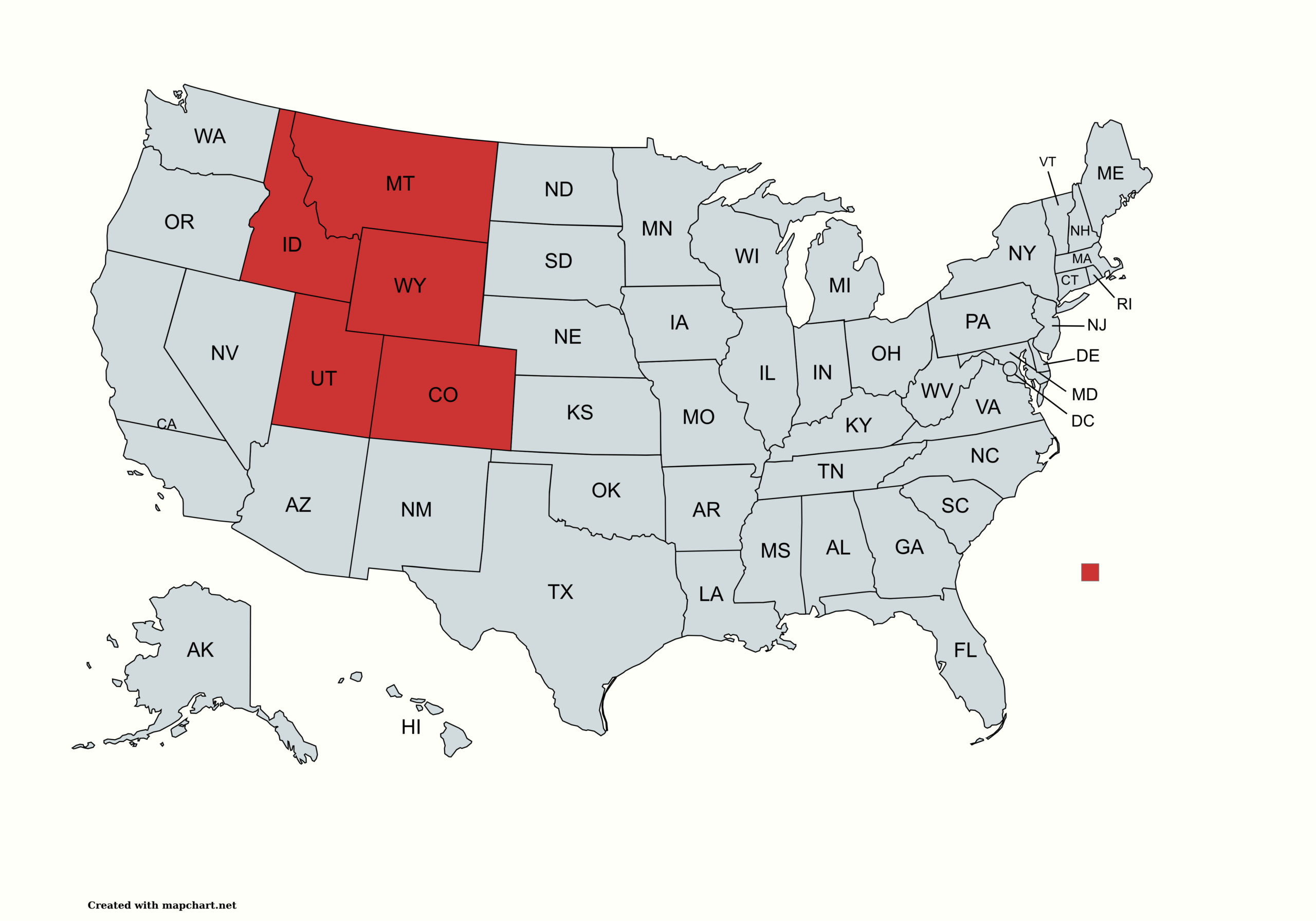
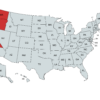
Gardening in the Western Mountain region—encompassing the rugged high country of Colorado, Wyoming, Montana, Idaho, and Utah, as well as the Sierra Nevada region of California—is shaped by elevation, cool nights, shorter growing seasons, intense sunlight, and sudden weather changes. While these conditions present real challenges, they also offer advantages for growers who understand how to work with them. Many cold-hardy vegetables thrive in cooler temperatures, and with the right planning, Western mountain gardens can be productive and reliable year after year.
This guide explains what makes high-altitude gardening unique, how to choose appropriate seeds, and how to plan a garden that produces consistent harvests despite a shorter season in the Intermountain West.
Purchase the Western Mountain Region Vegetable Garden Seed Collection
Table of Contents
Discover What Gardeners Are Saying About Our Seeds!
Understanding the Western Mountain Climate
Whether you are gardening in the Wasatch Range, the Colorado Rockies, or the Sierras, mountain climates operate differently than lowland growing areas. Temperatures often swing widely between day and night (diurnal swings). Even in midsummer, nights may drop into the 40s or 50s (4°C to 13°C), and occasional frost is possible at higher elevations. Spring tends to arrive later, and fall frost can come early.
Rocky Mountain and Sierra soils may be rocky or thin, but they are often well-drained and alkaline. Sunlight is exceptionally intense because of the thinner atmosphere at elevation, which can speed growth but also increase moisture loss and require UV protection for plants.
Key characteristics of Western mountain gardening include:
- Short growing seasons: Often less than 90 days.
- Extreme diurnal swings: Rapid cooling as soon as the sun sets.
- Sudden weather changes: Mountain winds, hail, and surprise summer snow.
- Strong sunlight and high UV intensity: Can lead to sunscald on fruit and leaves.
- Alkaline soils: High pH levels that may lock out certain nutrients.
- Pollination delays: Cold mornings can keep pollinators inactive until later in the day.
Typical Western Mountain Growing Seasons
In states like Montana, Wyoming, and Idaho, the growing window is determined almost entirely by elevation and local geography.
- Lower mountain valleys: Roughly 90 to 120 days. These areas often allow for a wider range of cool-season and early warm-season crops.
- Mid-elevation areas: Roughly 70 to 90 days. Gardeners should emphasize fast-maturing and cold-tolerant crops.
- Higher elevations: Often 60 to 75 frost-free days. Success depends on focusing almost entirely on cool-season vegetables and very early-maturing crops.
The “Mountain Sprinter” Plant Guide
Success in the mountains comes down to choosing “sprinters”—plants that grow fast and don’t mind a chill.
Leafy Greens (The Safety Net)
- Lettuce, Spinach, and Arugula: These thrive in cool mountain air. Because of the intense sun, they may bolt (go to seed) quickly; planting them in the shadow of taller plants or using shade cloth can extend their life.
- Kale and Swiss Chard: These are incredibly hardy. A light frost actually improves their flavor by turning starches into sugars.
Root Crops (The Reliable Producers)
- Carrots and Beets: These love the well-drained nature of mountain soils. They can stay in the ground through several light frosts, which makes them taste much sweeter.
- Radishes: The ultimate sprinter. Many varieties are ready in just 25–30 days, making them perfect for even the highest elevations.
- Potatoes: A mountain staple. They perform exceptionally well in cool soil and are highly dependable.
Brassicas (The Cold-Lovers)
- Broccoli and Cabbage: These benefit from being started indoors. Once transplanted, they handle the cool nights better than almost any other vegetable.
- Kohlrabi: A fast grower that is less picky about soil than cauliflower or Brussels sprouts.
Legumes and Fruiting Crops
- Peas: These should be the first things in the ground. They prefer the cool spring and often finish before the mid-summer heat arrives.
- Bush Beans: Choose “early” or “short-season” bush types. They grow faster than pole beans and are less likely to be damaged by mountain winds.
- Early Tomatoes: Only choose varieties labeled “early” or “cold-tolerant.” Even then, they should be started indoors and grown in the warmest microclimate you have (like against a south-facing wall).
Purchase the Western Mountain Region Vegetable Garden Seed Collection
Starting Seeds Indoors for Mountain Success
Because the outdoor season is so short, indoor starting is essential for a head start.
- Timing: Start tomatoes and peppers 6–8 weeks before your average last frost. Onions can be started even earlier.
- Light Intensity: Use specialized grow lights positioned just a few inches above the plants to avoid “legginess”, plants getting to tall, weak, and spindly
- The Hardening Off Process: This is critical. Indoor seedlings have no “sunscreen.” Move them outside gradually over 7–10 days to build tolerance to intense mountain UV rays and wind.
Essential Frost Protection Kit
Successful mountain gardeners must be ready to deploy a “frost kit” at a moment’s notice:
- Floating Row Covers: Lightweight fabric for light frost and pest protection.
- Cloches or Wall-o-Waters: Plastic protectors that can keep tender plants safe down to 20°F.
- Hoops and Low Tunnels: PVC or wire supports for heavy blankets during late snows.
- Insulating Mulch: A 3-inch layer of straw or leaves to protect root crops from ground freezes.
Managing High-Altitude Light and UV
While sunlight accelerates growth, the intensity of the mountain sun is a double-edged sword.
- Sunscald Prevention: Use light shade cloths during the hottest part of the day for sensitive crops like peppers to prevent “burning” the fruit.
- Managing Photosynthesis: High UV can be stressful. Ensuring plants have adequate “respite” with afternoon shade can prevent them from shutting down growth during heat spikes.
Soil and Water Management
Mountain soils are often alkaline and rocky, requiring specific management to thrive.
- Raised Beds: These are highly recommended to bypass rocky soil and help the ground warm up faster in the spring.
- Soil Building: Incorporate compost each season to increase water retention and improve structure. Use elemental sulfur to gently lower the pH of alkaline soil.
- Irrigation: Because mountain air is semi-arid, evaporation is high. Drip irrigation or soaker hoses deliver water directly to the roots, preventing the rapid moisture loss caused by dry wind and sun.
Managing Wildlife Pressure
In the West, you aren’t the only one interested in your harvest.
- Fencing: Sturdy fencing is often a requirement to deter deer and elk.
- Subterranean Barriers: Use hardware cloth (metal mesh) at the bottom of raised beds to stop pocket gophers and voles from eating roots from below.
- Bird Netting: Protect berries and young seedlings from high-altitude birds.
Western Mountain Seasonal Maintenance Checklist
Late Winter (February – March)
- Order short-season seed collections.
- Start onions, leeks, and celery indoors.
Early Spring (April – May)
- Direct sow hardy crops like spinach and peas as soon as the soil can be worked.
- Remove heavy mulch to let the sun warm the bare earth.
Late Spring / Early Summer (June)
- Transplant seedlings after hardening off.
- Keep row covers ready for the “June flurry” (late snow).
Mid-Summer (July – August)
- Water early in the morning to fight high evaporation.
- Sow a second round of leafy greens for a fall harvest.
Fall (September – October)
- Deploy your frost kit as nights drop.
- Let root crops stay in the ground through light frosts to improve flavor.
Final Thoughts: Working With the Mountain Climate
Gardening in the Rockies and the Sierra Nevada is as much about mindset as it is about technique. The intensity of the sun and the sharpness of the cool nights work together to create produce that is crisp, nutrient-dense, and exceptionally sweet.
It requires a unique blend of vigilance and patience. You must be prepared to rush out and cover your beds during a surprise June flurry, but you also get to enjoy the quiet satisfaction of a garden that produces flavors simply unattainable in hotter, lowland climates.
The intensity of the sun and the sharpness of the cool nights work together to create produce that is crisp, nutrient-dense, and exceptionally sweet. As you learn the specific microclimates of your own property, you will become less of a “manager” of the garden and more of a partner to the landscape.
Remember that a successful mountain garden doesn’t have to grow every type of vegetable to be a victory. By focusing on the “sprinters” and “hardy survivors,” and by protecting your soil with the same care you protect your seedlings, you can create a resilient, high-output food source. The mountain environment is demanding, but for the gardener who listens to its rhythms, the rewards are both bountiful and beautiful.
FAQ:
What makes western mountain gardening different from lowland gardening?
Western mountain gardening is shaped by high elevation, shorter growing seasons, cool nights, intense sunlight, and sudden weather changes. These factors require gardeners to focus on fast-maturing, cold-tolerant crops and use season-extension techniques such as indoor seed starting and frost protection.
How long is the typical growing season in western mountain regions?
Growing seasons vary by elevation. Lower mountain valleys may have ninety to one hundred twenty frost-free days, mid-elevation areas about seventy to ninety days, and higher elevations often only sixty to seventy-five days.
What vegetables perform best in western mountain gardens?
Leafy greens, root crops, brassicas, peas, early bush beans, potatoes, and early or cold-tolerant tomatoes tend to perform best because they mature quickly and tolerate cool temperatures.
Why are fast-maturing “sprinter” crops important in mountain climates?
Sprinter crops grow quickly and reach harvest before early fall frost or sudden weather shifts, making them more reliable than long-season varieties in short-season regions.
Should seeds be started indoors for western mountain gardening?
Yes. Starting seeds indoors provides a critical head start. Tomatoes, peppers, onions, and brassicas benefit especially from indoor starting before transplanting outdoors.
What is the hardening-off process and why is it necessary?
Hardening off gradually exposes indoor-grown seedlings to outdoor sunlight, wind, and temperature changes over seven to ten days. This prevents shock and protects plants from intense mountain UV exposure.
How can gardeners protect plants from late spring and early fall frost?
Using floating row covers, cloches, wall-o-waters, low tunnels, and insulating mulch allows gardeners to protect crops quickly when temperatures drop.
How does intense mountain sunlight affect plants?
High-altitude sunlight can speed growth but may cause sunscald and moisture loss. Light shade cloth and afternoon shade help prevent plant stress and fruit damage.
What soil challenges are common in western mountain regions?
Soils are often rocky, thin, and alkaline. Raised beds, regular compost additions, and occasional sulfur applications help improve structure and nutrient availability.
Why is wildlife management important for mountain gardeners?
Deer, elk, rodents, and birds commonly damage crops. Fencing, hardware cloth under beds, and bird netting are often necessary to protect harvests.