Strategies for Success in Short-Season and Cold-Climate Growing
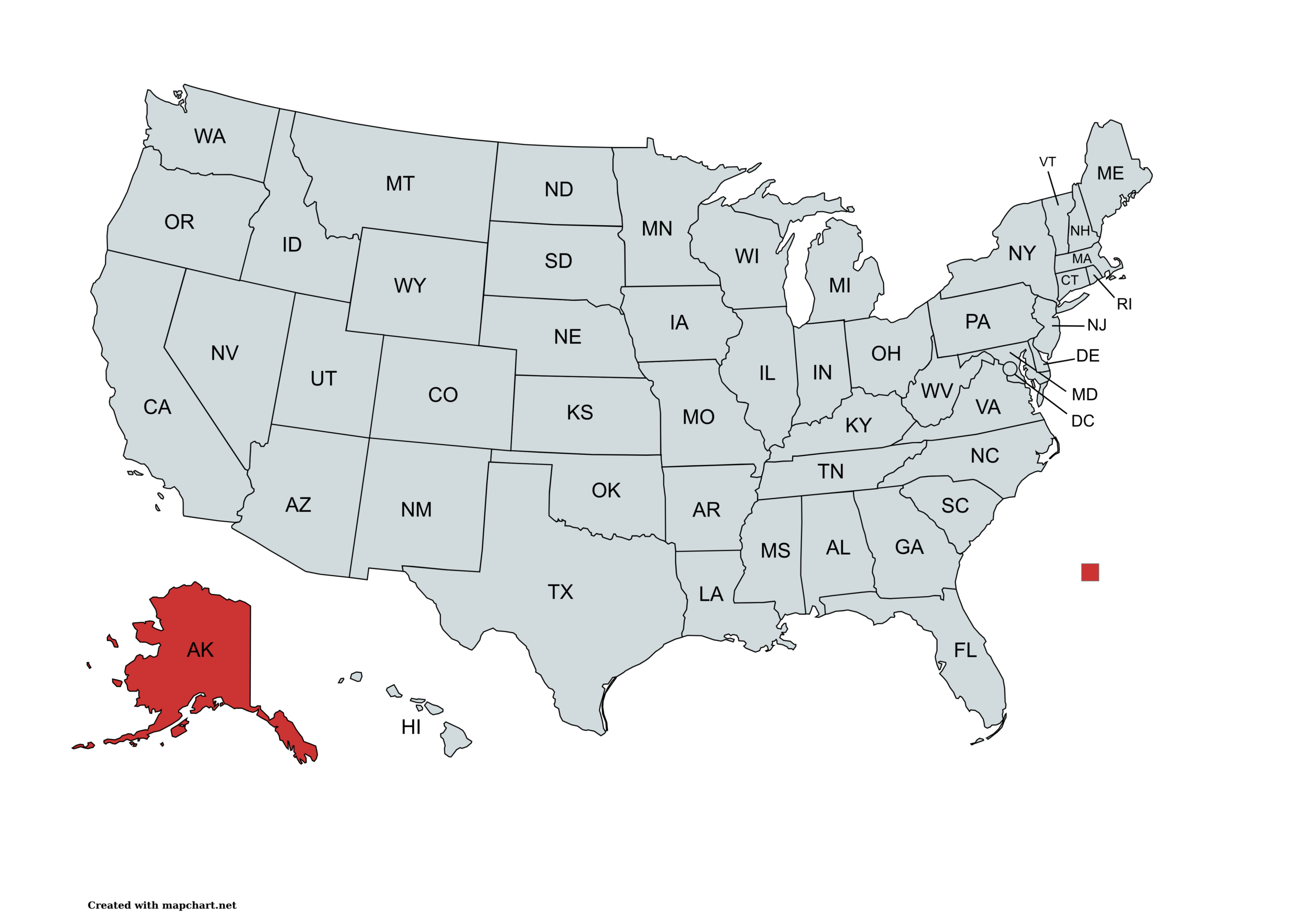
Gardening in Alaska is unlike gardening anywhere else in the United States. Long winter nights, cool summers, unpredictable spring weather, and a compressed growing season shape everything about how Alaskan gardens function. Yet Alaska also offers something extraordinary: extremely long daylight hours during summer, cool temperatures that favor many vegetables, and remarkably sweet, flavorful produce.
With the right approach, Alaska gardeners can grow abundant harvests of greens, roots, brassicas, herbs, and even select fruiting crops. Success comes from understanding Alaska’s unique climate patterns, choosing appropriate seeds, and using simple season-extension techniques.
This guide explains what makes Alaska gardening different, how to select dependable crops, and how to plan a productive garden despite a short growing window.
Purchase the Alaska Arctic Region Vegetable Garden Seed Collection
Table of Contents
Understanding the Alaska Climate
Alaska spans a vast geographic area, and conditions vary widely from Southeast coastal communities to Interior river valleys and Arctic regions. However, several defining traits affect nearly all Alaskan gardens.
Temperatures remain cool even during summer, with many regions rarely exceeding seventy degrees Fahrenheit. Frost can occur in late spring and return early in fall. Spring soil warming is slow, and winter snowpack often lingers into May.
At the same time, summer brings extremely long daylight hours. In much of Alaska, plants may receive eighteen to twenty-four hours of light at peak season. This extended daylight allows many vegetables to grow quickly despite cool temperatures.
Key characteristics of Alaska gardening include:
- Short growing seasons.
- Cool daytime and nighttime temperatures.
- Late spring thaw and early fall frost.
- Long summer daylight hours.
- Soils that are often acidic and high in organic matter, but slow to warm.
- Pollination challenges. Cool, rainy, or windy weather can limit bee activity, sometimes requiring manual intervention for certain crops.
- Increased risk of bolting. Extreme daylight hours can trigger “bolting” (premature flowering) in crops like spinach, cilantro, and bok choy.
Rather than forcing heat-loving crops to perform, Alaska gardens thrive when built around vegetables that prefer cool conditions and mature quickly.
Typical Alaska Growing Seasons
Growing season length varies by region, but most of Alaska experiences a compressed frost-free window.
- Southeast and coastal Alaska: Roughly 90 to 120 frost-free days in favorable locations.
- Interior Alaska: Often 80 to 100 frost-free days.
- Western and northern regions: Commonly 60 to 80 frost-free days, sometimes less.
Late frosts in early June and early frosts in late August or September are not unusual. Because of this, Alaska gardeners must plan carefully and rely heavily on cold-hardy crops and season extension.
Tips for Choosing Seeds for Alaska Gardens
Seed selection is the single most important factor in Alaska gardening success. Choosing dependable, fast-maturing, cold-tolerant crops leads to consistent harvests year after year.
When building your garden, you can select individual packets suited to your specific microclimate, or for a simple starting point, you may wish to explore our Alaska–Arctic & Short-Season Garden Seed Collection, which is assembled specifically for northern growing conditions.
- Know Your Frost-Free Window Choose varieties that mature within your local growing season. Early and short-season crops outperform long-maturing types.
- Favor Cold-Tolerant Crops Vegetables that tolerate cool soil and light frost are the backbone of Alaska gardens.
- Leafy greens such as lettuce, spinach, kale, Swiss chard, mustard greens, collards, arugula, Asian greens, endive, and escarole.
- Root crops including carrots, beets, radishes, turnips, rutabagas, parsnips, and kohlrabi.
- Brassicas such as cabbage, broccoli, cauliflower, Brussels sprouts, and kohlrabi.
- Legumes including peas and fava beans.
- Alliums such as bunching onions, bulb onions, leeks, garlic, and chives.
- Potatoes, which perform exceptionally well in cool climates.
- Pay Attention to Days to Maturity Look for varieties that mature in sixty to seventy days or less whenever possible.
- Choose Early and Cold-Tolerant Tomatoes Tomatoes can succeed in Alaska when started indoors and protected, but only early, quick-setting varieties are practical.
- Roots and Greens Are Your Safety Net These crops tolerate cool soil, handle light frost, and provide dependable yields even in mild summers.
- Avoid Long-Season Heat Lovers Eggplant, okra, large melons, and many peppers struggle without significant protection and long warmth.
- Daylight Matters More Than Latitude Alaska’s long summer days allow plants to grow quickly, but cool temperatures still limit what will mature fully.
- Plan for Season Extension Row covers, low tunnels, and cold frames dramatically increase success.
- Start Certain Crops Indoors Tomatoes, cabbage, broccoli, cauliflower, onions, and leeks benefit from an indoor head start.
- Choose Reliability Over Novelty Proven, dependable crops outperform experimental choices in northern climates.
Purchase the Alaska Arctic Region Vegetable Garden Seed Collection
Starting Seeds Indoors for Alaska Success
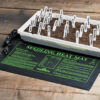
Indoor seed starting is essential for many crops. Tomatoes, peppers, and brassicas should be started six to eight weeks before your average last frost. Onions and leeks can be started even earlier.
Use a sterile, soilless seed-starting mix and provide strong light positioned close to seedlings. Cool indoor temperatures produce sturdier plants.
Hardening off is critical. Gradually expose seedlings to outdoor conditions over seven to ten days, increasing light and wind exposure slowly.
Essential Frost Protection Kit
Every Alaska gardener should keep a simple frost-protection setup ready.
- Floating row covers for light frost protection.
- Low tunnels or hoops with plastic or fabric coverings.
- Cloches or water-filled plant protectors for tender crops.
- Mulch such as straw, leaves, or grass clippings to insulate soil.
- Black plastic mulch or landscape fabric to help absorb solar heat and warm the soil around heat-loving transplants.
These tools can add two to four weeks to both ends of the season.
Managing the Effects of Extreme Daylight
While the “Midnight Sun” accelerates growth, the lack of darkness can signal some plants to stop producing leaves and start producing seeds.
- Bolting Prevention: For heat-sensitive greens, consider using shade cloths during the peak of summer to simulate “night” or provide a break from the constant light.
- Pollination Support: Because Alaskan summers can be damp and cool, pollinators may be less active. Consider planting native flowers nearby to attract bumblebees, which are more active in cool weather than honeybees. For greenhouse-grown crops like tomatoes or cucumbers, you may need to gently shake the plants or use a small brush to assist with pollination.
Microclimates in Alaska Gardens
Small variations in location can dramatically change growing conditions.
- South-facing walls and slopes warm earlier in spring.
- Areas near buildings retain heat at night.
- Wind-sheltered spots reduce moisture loss and cold stress.
- Raised beds warm faster than in-ground soil.
- Low-lying areas collect cold air and frost.
Learning where warmth accumulates on your property allows you to place tender crops in the best locations.
Soil and Water Management
Alaska soils are often rich in organic matter but slow to warm.
Incorporate compost each season to improve structure and drainage. Raised beds help speed spring soil warming.
Consistent moisture is important. Cool temperatures reduce evaporation, but long daylight hours still demand regular watering. Drip irrigation or soaker hoses provide steady moisture without cooling the soil excessively.
Managing Wildlife Pressure
In many parts of Alaska, wildlife is a serious gardening consideration.
Fencing is often necessary to protect gardens from moose, deer, rabbits, and ground squirrels. Raised beds with hardware cloth bottoms deter burrowing animals.
Netting can protect young plants from birds, and sturdy enclosures reduce losses.
Alaska Seasonal Gardening Checklist
Early Winter (November – January)
- Review notes from the previous season.
- Order seeds early, as short-season and northern-adapted varieties often sell out quickly.
Late Winter (February – March) Plan crops and order seeds. Start onions, leeks, and celery indoors.
Early Spring (April – May) Start brassicas and tomatoes indoors. Prepare beds and install raised beds if needed.
Late Spring (May – June) Direct sew hardy greens, peas, and root crops. Transplant cold-hardy seedlings with protection.
Mid-Summer (June – July) Transplant tomatoes and other tender crops. Maintain mulch and consistent watering.
Late Summer (August) Plant quick greens for fall harvest. Monitor for early frost.
Fall (September – October) Use row covers to extend harvest. Harvest root crops after light frost for improved flavor.
Final Thoughts: Working With the Alaska Climate
Alaska gardening rewards patience, planning, and a willingness to work with nature rather than against it. Cool temperatures and long daylight create vegetables with exceptional sweetness, crispness, and nutritional quality.
A successful Alaska garden does not need to grow everything. By focusing on fast, hardy, cold-tolerant crops and using simple protection, gardeners can produce reliable harvests year after year.
As you learn the rhythms of your own landscape, you will begin to recognize where warmth collects, how long your season truly lasts, and which crops perform best. With that knowledge, Alaska’s challenging climate becomes not a barrier, but a powerful partner in growing food.
FAQ:
What vegetables grow best in Alaska?
Cold-hardy, fast-maturing crops consistently perform best in Alaska’s cool climate. Leafy greens, root vegetables, brassicas, peas, fava beans, alliums, and potatoes tolerate cool soil and light frost and can mature within the short growing season.
How long is the typical growing season in Alaska?
Most areas experience between sixty and one hundred twenty frost-free days. Coastal regions tend to be longer, while interior and northern areas are often shorter, making careful planning essential.
Can tomatoes be grown successfully in Alaska?
Yes, but only early, quick-setting varieties are practical. Tomatoes must be started indoors, hardened off carefully, and protected with row covers, low tunnels, or greenhouses to ensure reliable harvests.
When should seeds be started indoors in Alaska?
Tomatoes, brassicas, onions, and leeks are usually started six to eight weeks before the average last frost. Starting early gives plants a strong head start before outdoor conditions are suitable.
What is the most important factor for Alaska gardening success?
Selecting dependable, cold-tolerant, short-season varieties. Seed choice has a greater impact on success than almost any other factor.
How do gardeners protect plants from late spring and early fall frost?
Using floating row covers, low tunnels, cold frames, cloches, and mulch helps insulate plants and extend the season by several weeks.
Why do some greens bolt quickly in Alaska?
The extremely long daylight hours of summer can signal plants to shift from leaf production to flowering, especially in crops like spinach and cilantro.
Are raised beds helpful in Alaska gardens?
Yes, raised beds warm faster in spring, improve drainage, and allow earlier planting than in-ground soil.
What wildlife problems are common for Alaska gardeners?
Moose, deer, rabbits, ground squirrels, and birds can cause serious damage. Fencing, netting, and hardware cloth barriers are often necessary.
Can fall crops be grown in Alaska?
Yes, quick greens and root crops can be planted in late summer and protected with covers for a dependable fall harvest.