
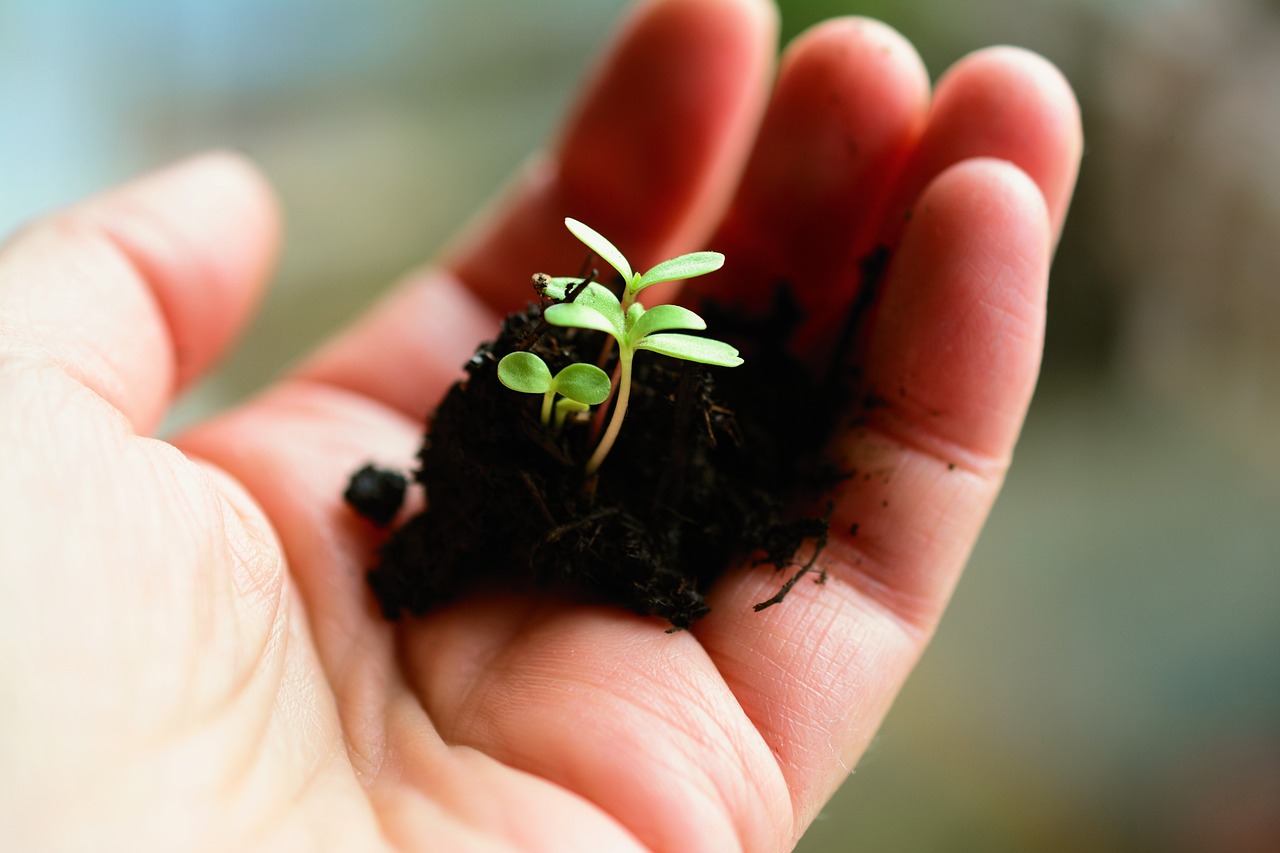
Planning ahead for the coming season really does stage for a garden that feels peaceful, productive, and enjoyable from the very beginning. When you’re growing heirloom vegetables, fruits, herbs, or flowers, these quieter months before the garden season give you the perfect chance to understand your climate, think through what you want to grow, and gather the heirloom seeds, tools, and supplies you’ll need well before spring arrives. Preparing early not only saves you time and frustration later but helps you begin the season feeling calm, organized, and excited. And when those seedlings finally start growing, you’ll have the deep satisfaction of knowing your garden is flourishing because you took the time to plan it well.
Table of Contents
Understand Your Climate Before You Start Your Garden
One of the top things to consider when planning a garden is to start by taking a good look at your climate and microclimate. Climate is one of the biggest influences on which heirloom varieties will thrive, how early you can plant, and how you care for your garden throughout the season.
Consider things like:
- Whether spring warms up slowly in your region or arrives suddenly
- How early or late frosts typically occur, compared to your official frost dates
- Whether your nights stay cool even in midsummer, which affects tomatoes, peppers, okra, and melons
- How humid your summers are and whether diseases like powdery mildew tend to show up on squash, cucumbers, or pumpkins
- Is your climate hot and humid, hot and dry, cold and wet, etc.
- Whether you garden in a windy area that needs windbreaks or sturdy trellising
- How quickly your soil dries out or holds moisture
It can also help to observe microclimates in your yard. A south-facing wall may create warmth ideal for heat-loving heirloom varieties like basil, eggplant, or cantaloupe, while a low, shaded area may stay cool longer and be better for greens such as lettuce, kale, spinach, or Swiss chard. Understanding these patterns lets you choose varieties that naturally succeed where you plant them.
This is also a great time to read about heirloom varieties adapted to short seasons, high heat, drought, humidity, or cooler summer nights. There are heirloom seeds suited to every condition, and choosing the right ones makes a tremendous difference.
Discover Why Gardeners Recommend Our Seeds!
Use a Planting Calendar to Choose the Right Dates
A planting calendar is one of the simplest and most useful tools you can rely on as you prepare your heirloom garden for the new season. With a quick online search, you can find planting dates by zip code that give you a personalized plan.
A planting calendar helps you:
- Know exactly when to start heirloom tomatoes, peppers, onions, cabbage, broccoli, cauliflower, celery, and herbs and more indoors
- Time outdoor planting for frost-sensitive crops like cucumbers, beans, corn, winter squash, summer squash, pumpkins, and melons
- Plan succession planting to keep harvests steady all season
- Choose long-season heirloom varieties, such as certain melons or winter squash, that fit within your frost-free days
- Map out spring, summer, and fall plantings with confidence
Many gardeners like to keep a simple notebook or digital journal to record frost dates, seed-starting plans, and variety notes. These tiny observations become incredibly helpful in future years and help you fine-tune your garden with experience.
Choose Heirloom Varieties You Truly Want to Grow
One of the joys of heirloom gardening is choosing varieties that speak to you—flavors you love, histories you appreciate, or vegetables that bring a sense of tradition to your table.
Ask yourself:
- What foods do you most look forward to cooking with or eating fresh throughout the year?
- Do you want dependable heirloom staples, popular favorites, or are you eager to try something colorful or unusual?
- Are you hoping for varieties that store well for winter meals?
- Do you plan to can, freeze, or dry produce for later use?
- Does your family prefer certain tomatoes, peppers, beans, melons, or greens? What fruits and vegetables do you most eat? Do you want to try out some new foods together?
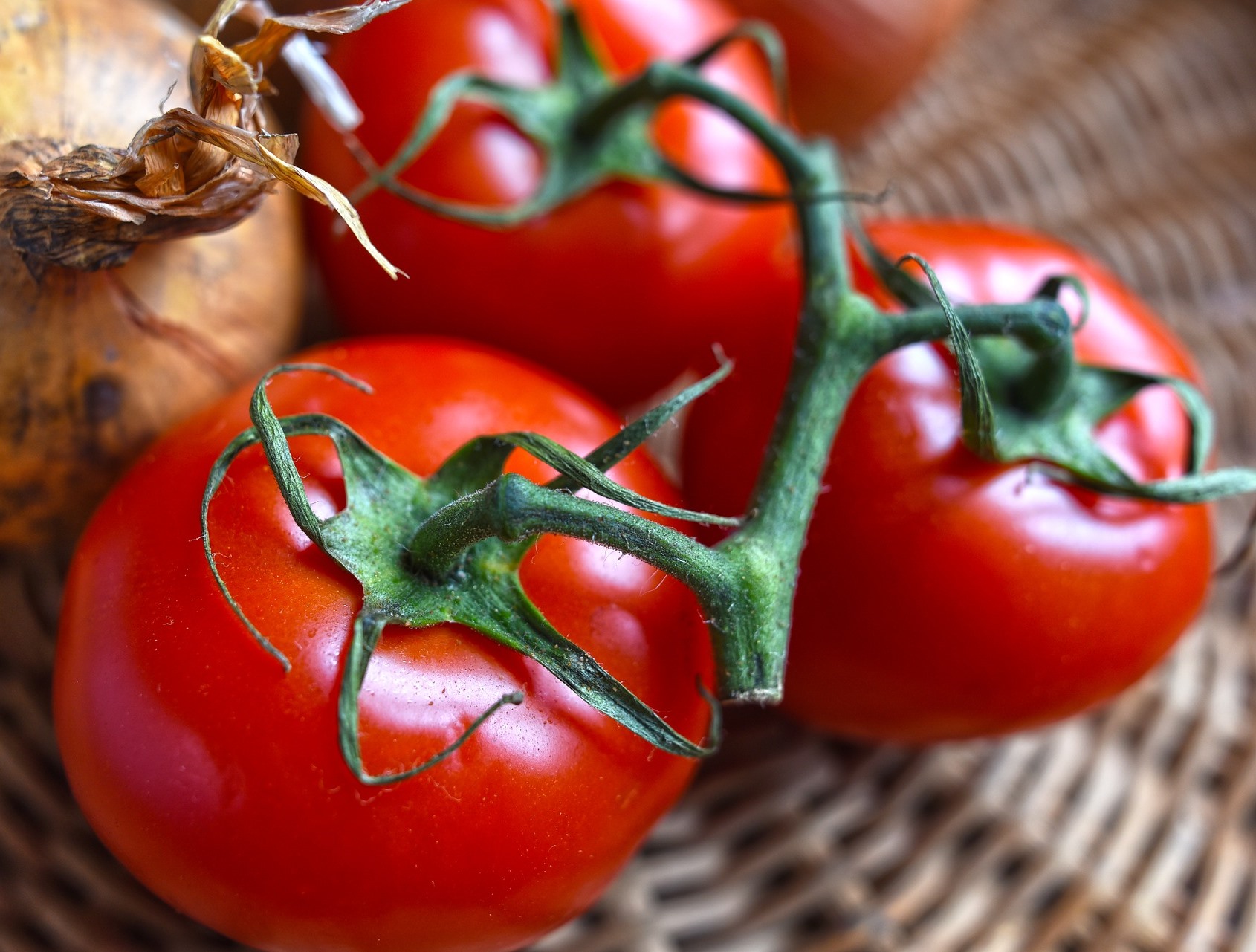
Heirloom tomatoes alone come in dozens of shapes, sizes, and flavors—from sweet cherry types like Black Cherry or Chadwick’s Cherry to giant meaty slicers like Brandywine, and rich paste tomatoes such as Amish Paste or San Marzano. Beans, squash, cucumbers, beets, radishes, and root crops each have their own heirloom lines that offer flavors modern varieties often can’t match. Fruits like watermelon, cantaloupe, honeydew, or ground cherries bring sweetness to the garden, while herbs such as basil, oregano, thyme, dill, chamomile, and sage add fragrance and culinary charm. Choosing varieties that excite you makes garden season something you truly look forward to.
Evaluate Your Space Before Garden Season Begins
Before you place your orders or prepare your planting layout, take a good look at the size and shape of your garden area. Understanding your space early helps you design a garden that’s manageable, productive, and suited to the heirloom varieties you love.
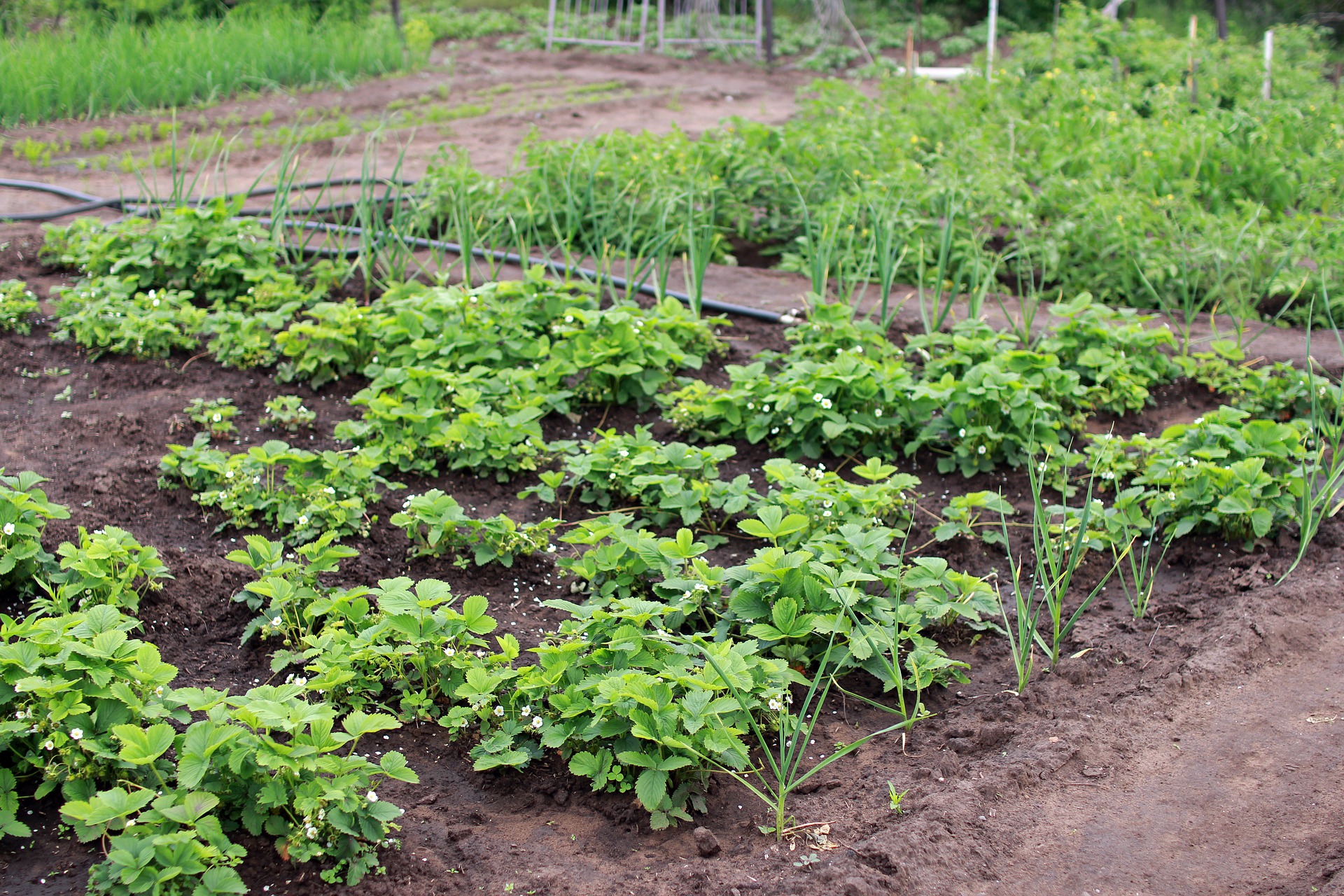
Consider:
- How much sun you have available
- Which crops need the most space or trellising
- Whether raised beds or containers would help expand growing capacity, or are the best method of gardening for you.
- If you want pathways wide enough for a wheelbarrow or easy harvesting
- Whether your garden area could be expanded or reorganized this year
Many gardeners underestimate how large heirloom squash, melons, pumpkins, and tomatoes can become. Planning ahead prevents overcrowding and gives every plant the airflow, nutrients, and sunlight it needs to thrive.
Vertical space can also be your friend—pole beans, peas, cucumbers, as well as, smaller squash and melons can be grown upward instead of outward, saving room while increasing yield.
Observe the Light in Your Garden Area
Light is one of the most important factors in successful heirloom gardening, and taking time to evaluate it now can save you frustration later.
Pay attention to:
- How many hours of direct sunlight each area receives
- Do you have trees that cast more shade once they leaf out
- Which areas get morning sun (gentler) versus afternoon sun (hotter)
- Whether nearby buildings block light during parts of the day
Sun-loving crops like tomatoes, peppers, corn, melons, winter squash, and sunflowers truly need full sun—at least six hours, and ideally eight or more. Leafy greens, herbs like mint, chives, and parsley, radishes, peas, and root crops can succeed in partial sun. Certain flowers like nasturtiums, sweet peas, and even bachelor buttons or cosmos can grow well in lighter shade. These plants tolerate cooler, softer light and still bring color and charm to tucked-away garden spaces.
Matching crops to light conditions is one of the best ways to prepare your garden for a productive season.
Choose Your Gardening Method
Your gardening method can have an effect on much including layout, maintenance, watering, and even your harvest results. This is the perfect time to decide how you want to grow this season.
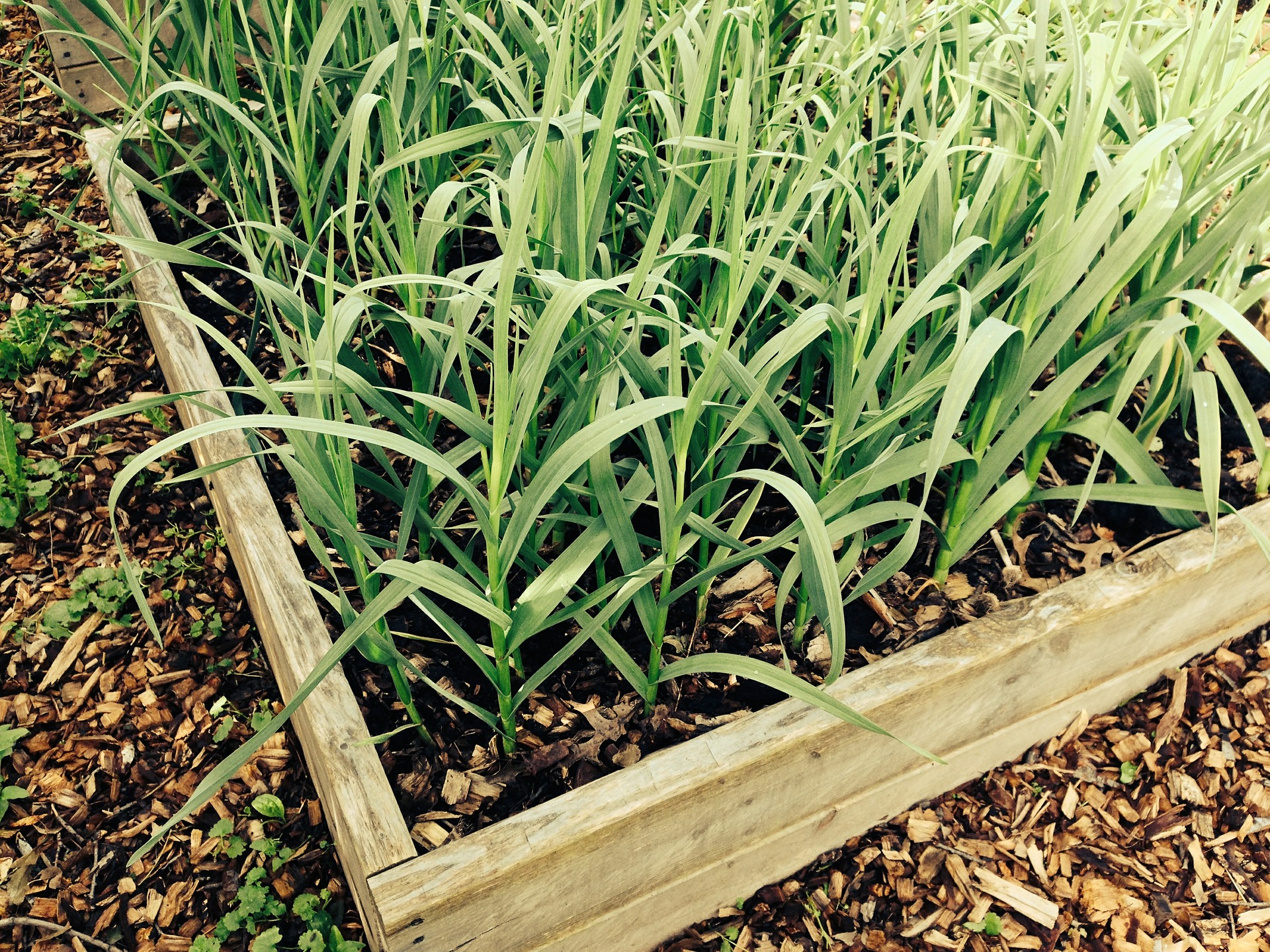
Consider:
- Raised beds for easy access, good drainage, and early soil warmth
- In-ground beds for large plantings and heirloom varieties that spread
- Square foot gardening for organized layouts and efficient spacing
- Container gardening for patios, small spaces, or areas with poor soil
- No-dig gardening to protect soil health and reduce weeds
Many gardeners blend approaches—raised beds for tomatoes, in-ground rows for potatoes and winter squash, containers for herbs and compact varieties, and trellises for peas, beans, and cucumbers. The goal is a system that works with your lifestyle and climate.
Order Your Seeds Early for the Best Selection
Ordering heirloom seeds early ensures you have access to the varieties you really want before they sell out. This is especially important for unique heirloom tomatoes, peppers, melons, watermelons, beans, cucumbers, and rare varieties that gardeners rush to buy every year.
Keep in mind:
- Order at least ten to twelve weeks before your last expected frost
- Add extra time for shipping, especially during busy gardening months
- Store seeds in a cool, dry place away from sunlight
- Check that you have enough seeds for succession planting if desired
This is also a great time to gather seed-starting supplies: trays, cell packs, humidity domes, grow lights, shelves, and seed-starting mix. If you’re planning to purchase heirloom seeds, buying early gives you the best selection and plenty of time to organize your planting schedule.
Decide on Your Gardening Approach: Organic or Conventional
Before your garden season gets underway, it helps to know how you want to care for your garden. Your approach affects soil care, pest control, amendments, and tools you’ll need.
Think about:
- Whether you want to focus on organic gardening practices(healthier, and lots of helpful natural remedies out there).
- Whether you are comfortable using commercial fertilizers or pesticides.
- If you prefer natural solutions like compost, mulch, neem oil, diatomaceous earth, and beneficial insects.
- Whether you want to avoid synthetic chemicals altogether.
Planning ahead helps you gather the right soil amendments, mulches, organic fertilizers, or pest remedies before challenges appear.
Look for Helpful Gardening Books and Resources
Reliable gardening books and guides can be priceless during the season, especially when trying new heirloom varieties or methods.
Look for books that focus on:
- Beginner gardening, if you are new to this.
- Kitchen garden planning.
- Container, raised bed, or square foot gardening.
- Heirloom vegetable growing.
- Organic and no-till gardening, if those are your style.
- Soil improvement.
- Region-specific planting advice.
- Culinary herb growing.
Browsing online reviews can help you find the most helpful titles, and you can often borrow them from your library system and save money. Building a small library of trusted garden resources offers support year after year.
Gather Tools and Supplies Before Spring Arrives
This is one of the most important steps in preparing for the new garden season. Having your tools cleaned, repaired, and gathered ahead of time makes spring planting far more enjoyable.
Checklist to consider:
- Clean and sharpen pruners, shears, and shovels, trowels, etc.
- Replace worn-out gloves, hoses, and watering cans.
- Repair or purchase string for row marking, plant name markers, trellises, stakes, tomato cages, and plant supports.
- Consider other handy things like an apron, gloves, kneeling pads, harvest basket, stool or cart to sit on, etc.
- Gather soil amendments, compost, mulch, and fertilizers.
- Prepare raised beds or containers early.
- Decide whether to rototill or maintain a no-till approach.
- Check fencing for gaps that could let rabbits or deer through.
- Ensure seed-starting supplies are ready: trays, lights, shelves, potting mix, plant markers, and heat mats.
Watering tools are important too. A sturdy hose that doesn’t kink, soaker hoses for deep watering, drip irrigation lines, hose splitters, watering wands, and good-quality sprinklers can make daily care much easier. If you need a rototiller for spring soil preparation, you want to consider buying one a little before the spring rush..or, you do not necessarily have to buy one—many gardeners simply ask a family member, friend, or local handyman to come over and till the soil once for the season.
Being fully prepared turns planting day into a pleasant experience rather than a stressful scramble.
Plan to Test Your Soil in Spring
Soil testing is one of the most impactful but often overlooked steps in heirloom garden preparation. Healthy soil produces strong, flavorful plants that resist pests and diseases naturally.
A soil test will show:
- pH level, which affects how plants absorb nutrients
- Levels of nitrogen, phosphorus, and potassium
- Whether your soil needs lime to reduce acidity
- Whether organic matter levels are adequate
- If drainage or compaction may be an issue
Testing your soil early helps you amend it before planting, giving your heirloom seeds the best possible start.
Conclusion
Getting ready for the garden season is more than a mere checklist—it’s a comforting and enjoyable time that sets the tone for your entire year. By understanding your climate, choosing heirloom varieties you’re excited about, preparing your garden space, gathering your tools and watering supplies early, and learning more about your soil, you give your garden the best possible foundation. A thoughtful beginning leads to a more abundant, meaningful growing season, and before long you’ll be enjoying the beautiful rewards of all your careful preparation.
What are your thoughts about How to Get Ready for Garden Season? Drop a comment below!
FAQ:
What is the first step in Heirloom Garden Preparation?
The first step in Heirloom Garden Preparation is understanding your climate and microclimate. A good garden preparation guide starts with knowing frost dates, how quickly your area warms, and which parts of your yard heat up or stay cool. This helps you choose heirloom varieties that will thrive naturally.
Why does my climate matter in an heirloom garden preparation?
Climate determines planting dates, which heirloom vegetables will succeed, and how you should care for them. Humidity, heat, cool nights, wind, and soil moisture all influence which heirloom varieties perform best.
How do microclimates affect my Heirloom Garden Preparation?
Microclimates—like warm south-facing walls or cool shaded corners—create pockets where different crops excel. A garden preparation guide recommends matching heat-loving crops to warm spots and greens or herbs to cooler areas.
Why should I use a planting calendar during Heirloom Garden Preparation?
A planting calendar is essential in any garden preparation guide because it tells you exactly when to start seeds indoors and when to transplant or plant outdoors. It also helps time succession plantings so harvests stay steady all season.
How do I choose the right heirloom varieties for my garden?
Choose varieties you genuinely want to grow—favorite flavors, good storage types, or crops suited for canning or fresh eating. Heirloom Garden Preparation includes picking varieties based on your climate, space, and your family’s preferences.
Why does evaluating garden space matter in a garden preparation guide?
Before planting, you need to know how much sun, room, and trellising space you have. Proper space planning prevents overcrowding and ensures heirloom squash, tomatoes, melons, and other vigorous growers have enough room to thrive.
How does sunlight factor into Heirloom Garden Preparation?
Light determines where you plant nearly everything. A solid garden preparation guide recommends tracking which areas receive full sun, partial sun, or shade so you can match crops to the light conditions they need most.
What gardening methods should I consider when preparing an heirloom garden?
Heirloom Garden Preparation includes choosing between raised beds, in-ground beds, container gardening, square foot gardening, or no-dig methods. The best method depends on your space, soil quality, and preferred level of maintenance.
Why should I order heirloom seeds early?
Ordering early gives you access to the full selection of unique heirloom tomatoes, peppers, melons, beans, and flowers before popular varieties sell out. Any thorough garden preparation guide recommends ordering ten to twelve weeks before your last frost.
Is soil testing an important part of Heirloom Garden Preparation?
Yes—soil testing is one of the most powerful steps in a garden preparation guide. It reveals pH, nutrient levels, and organic matter so you know exactly how to amend your soil for stronger, healthier heirloom plants.







Thank you for so many great garden tips! I will use these tips in the new year to assess my garden during the quiet of winter and to prepare for a successful garden in the spring. Blessings to all at St Clare Heirloom Seeds!